Choosing the right a/c for your home calls for a clear understanding of your certain cooling demands. You'll need to evaluate your space dimensions and determine the called for BTU capacity based on those measurements. Variables like climate, insulation, and sunshine can significantly influence your decision. On top of that, recognizing the various types of systems available can assist narrow down your options. Allow's explore exactly how each aspect impacts your final option.
Trick insights
- Action your area measurements and compute square video footage to identify BTU needs, aiming for 20 BTUs per square foot. Consider your local environment; hotter or extra damp areas need greater BTU capacities for effective cooling. Assess insulation high quality, ceiling elevation, and window size, readjusting BTUs for sunlight direct exposure and shading. Select an air conditioning system with a high SEER ranking for far better energy efficiency and reduced energy bills. Choose the type of unit (window, central, portable, ductless, or geothermal) based on your air conditioning needs and room requirements.
Recognizing Your Air Conditioning Requirements
Just how do you determine the right dimension ac system for your room? Start by reviewing your cooling capacity needs, which is determined in BTUs (British Thermal Devices). Compute the location of your area in square feet, as larger rooms need more BTUs. Don't forget climate considerations; if you reside in an especially hot or humid location, you'll require an unit with a higher ability to maintain comfort. Furthermore, consider insulation top quality, ceiling elevation, and the variety of home windows, as these elements also affect the ac system's effectiveness. By meticulously reviewing these variables, you can guarantee you pick an air conditioning unit that fulfills your details cooling requirements, enhancing both performance and power performance.
Choosing the Right Dimension Air Conditioning Unit
Selecting the appropriate dimension a/c is essential for achieving excellent comfort and power effectiveness in your space. To identify the appropriate cooling capacity, you'll need to assess your room measurements. Action the size and size of the location, then multiply these figures to get the square video footage. For a basic standard, go for 20 BTUs (British Thermal Devices) of cooling down ability per square foot of living space. If your space has high ceilings, big home windows, or gets substantial sunlight, you may require to increase this number. Alternatively, if the area is shaded or has insulation, you can a little decrease it. Correct sizing avoids overcooling or undercooling, ensuring your a/c unit operates effectively and maintains a pleasurable atmosphere.
Power Performance Rankings Clarified
Recognizing energy performance ratings is necessary when picking an air conditioner, as these metrics directly impact both your utility costs and ecological footprint. The Seasonal Power Performance Proportion (SEER) measures cooling down performance over a whole season, with greater SEER rankings suggesting better power efficiency. For example, a device with a SEER of 16 is more efficient than one with a SEER of 12. On the other hand, Power Efficiency Ratio (EER) reflects effectiveness at a certain temperature, commonly gauged at 95 F. It's essential to think about both ratings, as they assist you evaluate ongoing energy costs. Choosing an unit with high SEER and EER ratings can bring about significant cost savings and minimized ecological impact over its lifespan, making your financial investment worthwhile.
Types of Cooling Solutions
When it comes to cooling systems, you'll experience a number of distinctive kinds, each designed to satisfy details cooling down requirements and choices. Window systems are perfect for single areas, offering an inexpensive and simple installment. Central systems amazing your entire home successfully however call for ductwork. If you're trying to find adaptability, portable choices allow you to relocate cooling power from area to space. Ductless designs supply targeted air conditioning without air ducts, making them great for restorations. Split systems incorporate interior and exterior systems, delivering efficient air conditioning tailored to your spaces. For an eco-friendly option, geothermal systems utilize the planet's temperature level to give effective and sustainable cooling. Comprehending these choices will aid you select the best system for your home.
Installation and Maintenance Considerations
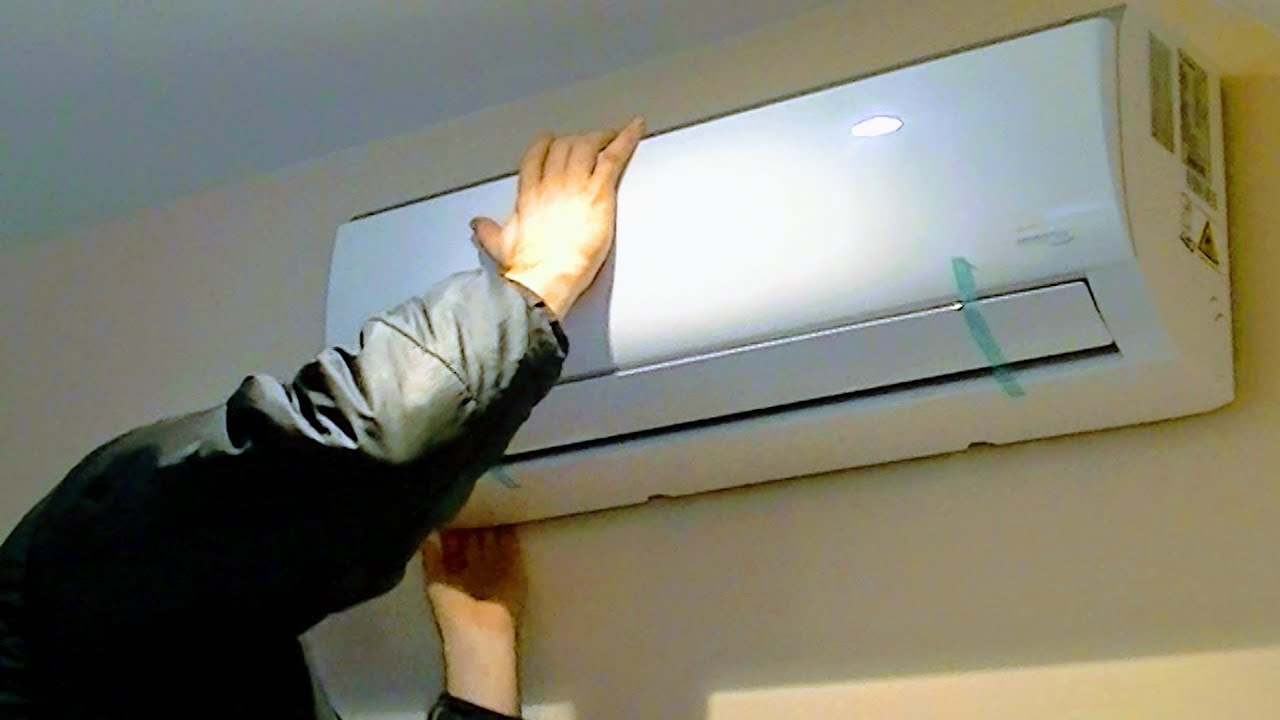
Proper installation and normal maintenance are crucial for optimizing the efficiency and life-span of your air conditioning system. During the installation procedure, ensure buy air conditioner you hire a certified specialist who adheres to manufacturer standards and local codes. This assures optimal airflow and cooling agent degrees, stopping early failures. After installment, establish a regular for upkeep. Utilize these maintenance suggestions: tidy or change filters monthly, look for cooling agent leaks, and ensure the outside device is free of debris. In addition, schedule specialist inspections yearly to capture possible problems early. By focusing on correct installation and recurring maintenance, you'll not only improve your ac unit's performance yet also prolong its operational life, ultimately saving you money over time.
Frequently Asked Questions
What Is the Life-span of a Regular Air Conditioner?
A normal a/c lasts around 15 to 20 years, relying on numerous variables. You can improve its life expectancy with regular cooling system upkeep, making certain peak ac system efficiency. Ignoring upkeep can result in damage, minimizing performance and durability. Keeping the filters tidy, inspecting cooling agent degrees, and organizing specialist inspections can considerably improve performance and prolong your device's life. So, stay positive to obtain the most out of your investment.

How Typically Should I Change My Air Conditioning Unit Filters?
You must replace your air conditioner filters every 1 to 3 months, relying on the filter types and filter upkeep methods. High-efficiency filters may last longer, while conventional fiberglass filters might need more regular adjustments. On a regular basis examining and replacing filters assists keep suitable airflow, enhances interior air top quality, and prolongs your system's life expectancy. Keeping up with this basic task warranties your a/c runs effectively and minimizes power prices.
Can I Mount an Ac Unit Myself?
Yes, you can mount an air conditioner on your own. Nevertheless, DIY installation calls for careful preparation and focus to detail. Initially, ensure you have the right tools and adhere to the manufacturer's directions carefully. Do not neglect to take safety preventative measures, like shutting off power sources and putting on safety equipment. If you're unclear concerning electrical elements or refrigerant handling, it's best to seek advice from an expert. Proper installation is crucial for effectiveness and durability of your unit.
What Are Common Indications My Ac System Needs Repair Works?
If you're discovering airflow issues, like weak or inconsistent air from your vents, it's a sign your a/c unit might need repairs. In addition, focus on any type of uncommon sounds, such as grinding or rattling audios, which can suggest mechanical problems. Various other red flags consist of increased energy expenses or regular cycling on and off. Dealing with these issues without delay can stop more considerable damages and assure your system runs effectively.
Just how Do I Winterize My A/c Unit?
To winterize your a/c unit, you'll wish to begin with complete seasonal prep work. Initially, turn off the power and clean the system, getting rid of particles and dust. After that, cover the exterior system with a weatherproof tarpaulin to protect it from snow and ice. Furthermore, check and tidy the condensate drain to avoid obstructions. Finally, schedule winter season maintenance for an evaluation, guaranteeing your system's ready to go when warmer weather condition returns.

Recap
In summary, picking the right air conditioning system for your home hinges on understanding your certain cooling down needs and the aspects affecting them. By accurately sizing your unit, thinking about energy performance rankings, and choosing the ideal system type, you can enhance convenience and lower energy costs. Don't fail to remember to consider installation and upkeep to ensure your a/c operates successfully over time. With careful consideration, you'll produce a comfy and energy-efficient atmosphere in your home.